Treatments
Everything you are asked for, and none of it prescribed by you.
The programs your patients already ask you about, and that your licence does not let you write. Each is provided only where an independent, licensed clinician determines it is appropriate. You stay firmly inside your own scope of practice.
Medical weight management
GLP-1 therapy, semaglutide and tirzepatide
The question every practice now fields weekly. Delivered by an independent clinician, sold under your name, with your existing care wrapped around it rather than competing with it.
Nutritional and metabolic support
Vitamin B12, Lipo-B and Lipo-C injections
Lean mass loss accounts for a quarter to nearly two fifths of total weight lost on GLP-1 therapy, and protein and micronutrient intake is routinely inadequate. This is precisely the ground a dietitian or therapist already stands on.
Menopause and hormone health
Estradiol, micronized progesterone and related therapies
Around three quarters of women with menopause symptoms are never treated for them. They arrive in your rooms describing joint pain, sleep and fatigue, and the underlying cause goes unaddressed.
Testosterone and men's hormone health
Testosterone therapy and enclomiphene, for diagnosed low testosterone
The fatigue, lost strength and poor recovery your male patients describe sometimes has a measurable cause. Confirmed by bloodwork, decided by a clinician, never assumed.
Longevity and recovery
NAD+ and vitamin B12
Clinician-guided recovery and energy support, the natural extension of what an IV and wellness clinic already does, with a prescriber attached to it.
Biomarker testing
Bloodwork that personalises the program
The diagnostics that turn a general wellness conversation into a specific one. Testing is diagnostic and never a guarantee that treatment follows.
Sexual health
Sildenafil and tadalafil
Discreet, physician-prescribed care that your patients would otherwise buy from an online brand that has never examined them.

Your scope does not move
You introduce the program and nothing more. You do not assess suitability, recommend a medication, adjust a dose or answer a clinical question about it. All of that belongs to an independent licensed clinician, and every medical question goes to the care team rather than your front desk.
All prescription treatments are provided solely where an independent, licensed clinician determines they are clinically appropriate after reviewing a patient's health history, and not everyone qualifies. Biomarker testing is diagnostic and does not guarantee that treatment will be offered. Compounded medications are prepared by state-licensed pharmacies and are not FDA approved, and no claim is made that they are as safe or effective as any branded alternative. No result is promised. Availability varies by state. Nothing here expands your own licence or scope of practice: you do not diagnose, prescribe, dispense or advise on these medications at any point. Prices and clinical detail are shown on the storefront, not here.
Alongside your care, not instead of it
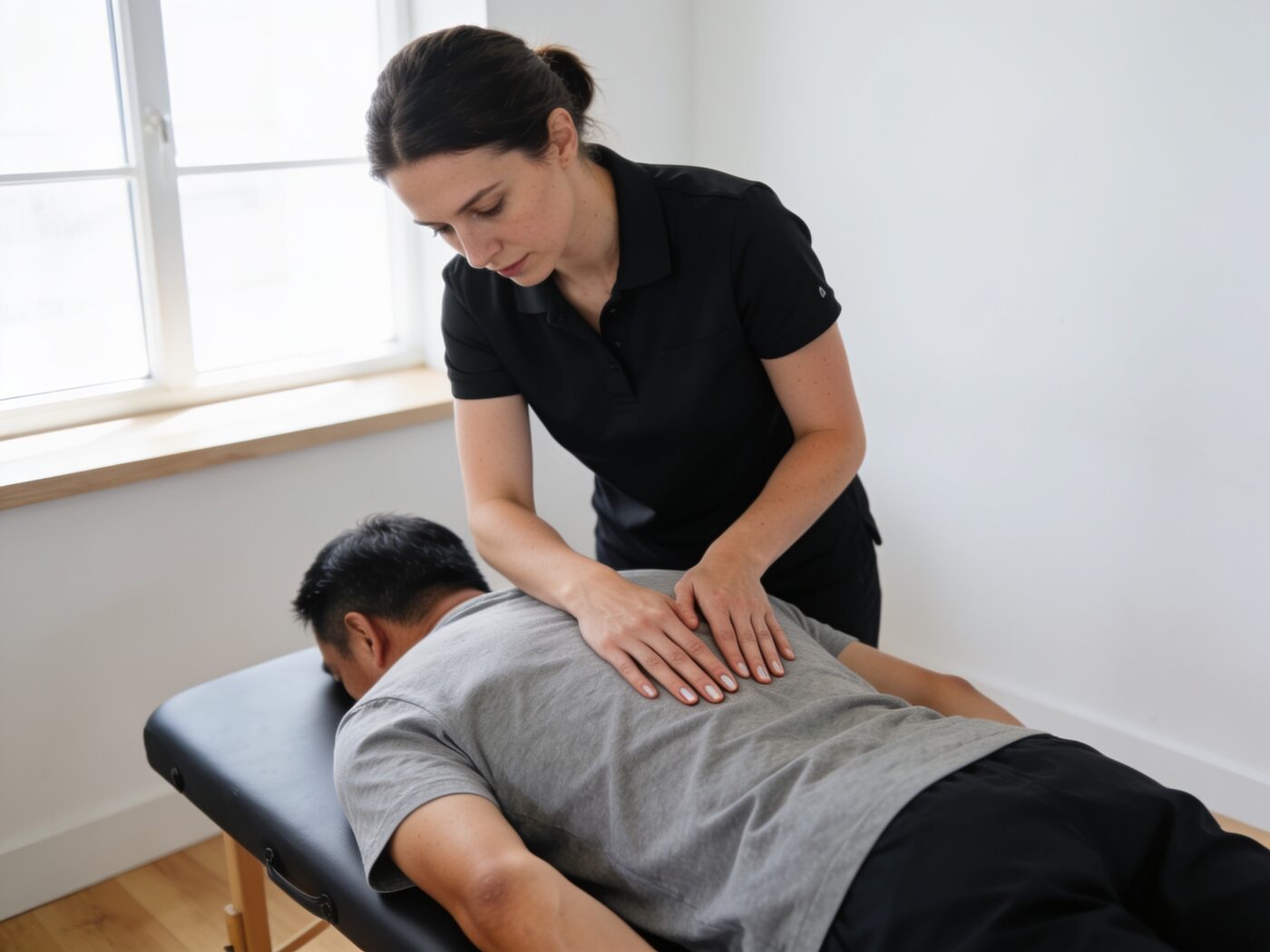
The program does not compete with your table
A patient losing weight rapidly needs more attention to their joints, their loading and their recovery, not less. A patient on hormone therapy still has the same mechanical complaint that brought them in.
The medication creates the reason to keep seeing you. That is the opposite of what happens when you refer the patient out.
For the hands-on professions
Patients treat your room as healthcare already
The 2026 AMTA research found 79% of people had a massage for a health reason rather than pure indulgence, and 91% consider it beneficial to their health. Your patients are not confused about what kind of visit this is.
That is exactly why the medical question lands with you, and exactly why an offer under your name converts where an anonymous website does not.