The opportunity
You already have the trust. You were only ever missing the prescriber.
Nothing about your practice has to change except what happens after the patient asks.
Four pressures, one answer
Reimbursement keeps shrinking
The 2026 Medicare fee schedule cut therapy rates again, took the conversion factor to $32.35 and added a permanent efficiency adjustment to work RVUs. Several therapy professions also lost Medicare telehealth eligibility from 31 January 2026. Denials are rising alongside it.
Your revenue is capped by your hands
Manual and in-person care earns only while you are in the room. A monthly program earns from a patient who is between appointments, or who moved away, or who has finished their course of care.
The referral ends the relationship
You cannot prescribe in 49 of 50 states, so the medical question becomes someone else's patient. They get the medication, and the practice that prescribed it gets the follow-on care too.
Patients are buying it online anyway
The medication they asked you about is three clicks and no examination away. If they are going to be on it either way, the question is only whether you are involved in how it goes.

The market, in numbers
Publicly available industry data, not our performance claims.
49 of 50
states where a chiropractor has no prescribing authority
State practice acts
$24.0bn
US chiropractic industry revenue, rising 2.6% in 2026
IBISWorld
40%
of chiropractic treatment paid in cash, with 30 to 50% of patients uninsured for it
ClinicMind, 2026
$3.0bn
US IV hydration therapy in 2026, growing about 9.2% a year
Grand View Research
$2.16bn
IV therapy memberships in 2026, the fastest-growing slice at 11.4%
Grand View Research
$22.6bn
US massage therapy market in 2026, with 79% of visits taken for health reasons
AMTA, 2026 report
Industry statistics describe the overall US market. They are not results of, or claims about, Local Healthcare programs.
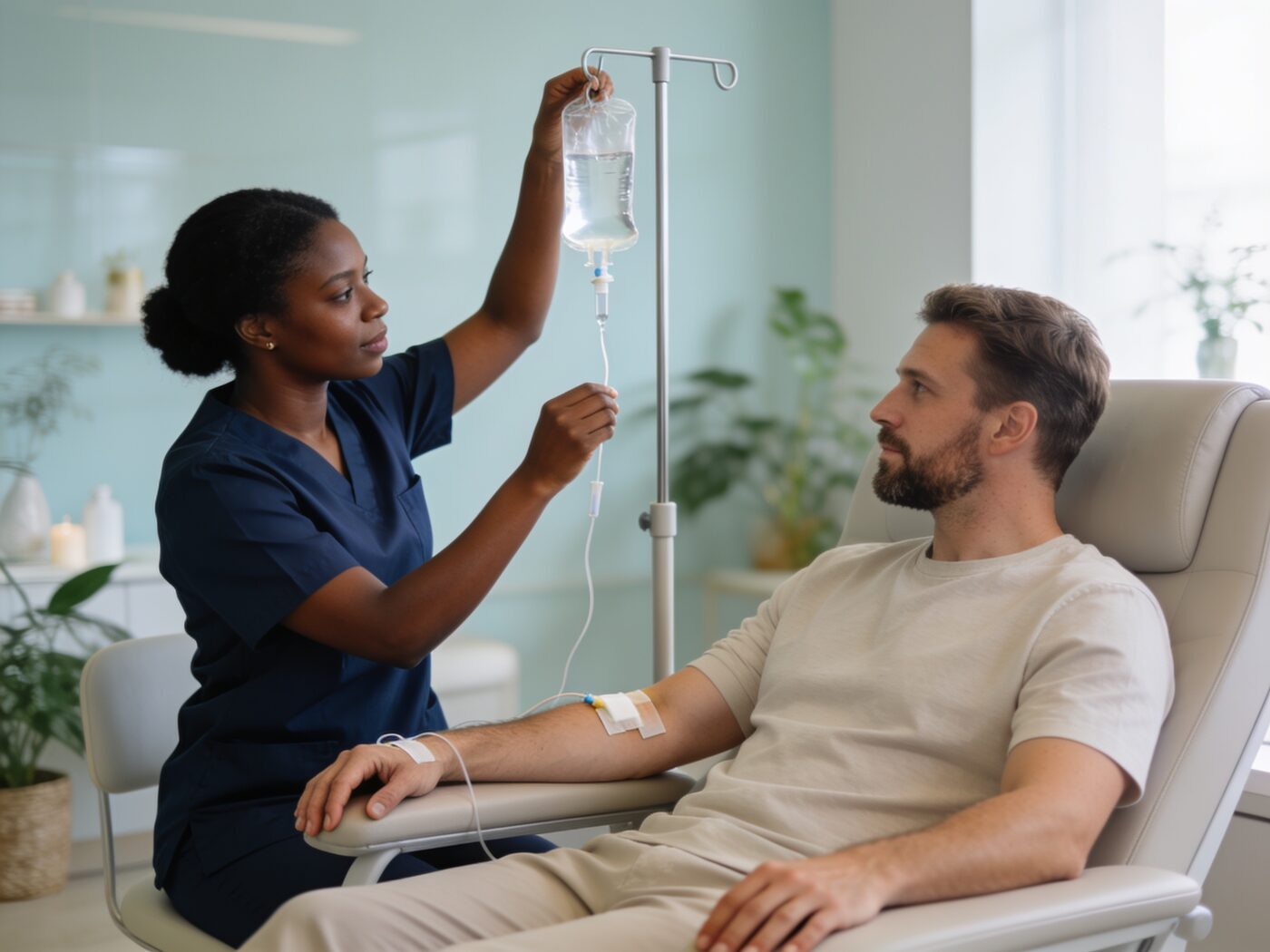
The model is already proven next door
Recurring, cash-pay, clinician-supervised
IV and infusion clinics established that patients will pay directly, every month, for supervised wellness they could technically skip. The membership slice of that market is growing faster than the market itself.
A prescription program is the same purchase shape with an actual prescriber attached, and a far stronger clinical reason to stay on it.
You set the price and keep the margin
You buy the program at a published wholesale price and sell it at whatever retail price you choose. The difference is yours, every month the patient stays on it.
Example retail price you set
$249 / mo
Example wholesale program cost
$149
Example your margin
$100 a month, on each patient
Twenty-five patients on a program at that margin
$2,500 a month, earned outside the fee schedule
Any figures shown are illustrative, not a promise of income. What a partner earns depends on the retail price it sets, its patient volume and retention. The partnership agreement is the controlling document.
See the full price sheet
One published wholesale price, identical for every partner. Nothing about your size changes what you pay.
Become a partner